Sub-region
Amarone della Valpolicella DOCG is a powerful, dry red wine made from semi-dried grapes in the Veneto’s Valpolicella zone. Rich, structured, and age-worthy, it balances intense fruit with bitter spice and dried herb complexity. Long associated with tradition, Amarone has evolved into one of Italy’s most well known wines.
4
45
Amarone della Valpolicella is one of Italy’s most celebrated red wines, made in the hills north of Verona from Corvina, Corvinone, and Rondinella grapes that are partially dried before fermentation. This appassimento process concentrates sugars, acids, and flavours, resulting in a full-bodied, dry wine with significant alcohol, complexity, and depth. Despite its richness, top examples retain balance and age gracefully.
The DOCG covers most of the same area as the Valpolicella DOC, with production zones divided into Classico, Valpantena, and extended areas to the east. Amarone sits at the apex of the Valpolicella pyramid, positioned above the lighter Valpolicella Classico and the sweet Recioto della Valpolicella. It is a wine of prestige, often associated with winter meals, contemplation, and long ageing.
The tradition of drying grapes for wine in the Valpolicella area dates back to Roman times, when sweet wines were prized across the empire. For centuries, this technique was used to produce Recioto, a sweet red wine made from dried grapes. Amarone is said to have originated by accident, when a Recioto ferment continued until dry, creating a more potent, bitter wine (amaro meaning bitter). The first use of the term Amarone appeared on labels in 1939, and a bottle of the original is on display in Cantina Valpolicella di Negrar. Amarone della Valpolicella was granted DOC status in 1990. In 2009, the denomination was upgraded to a DOCG wine, as was the the sweet version Recioto della Valpolicella.
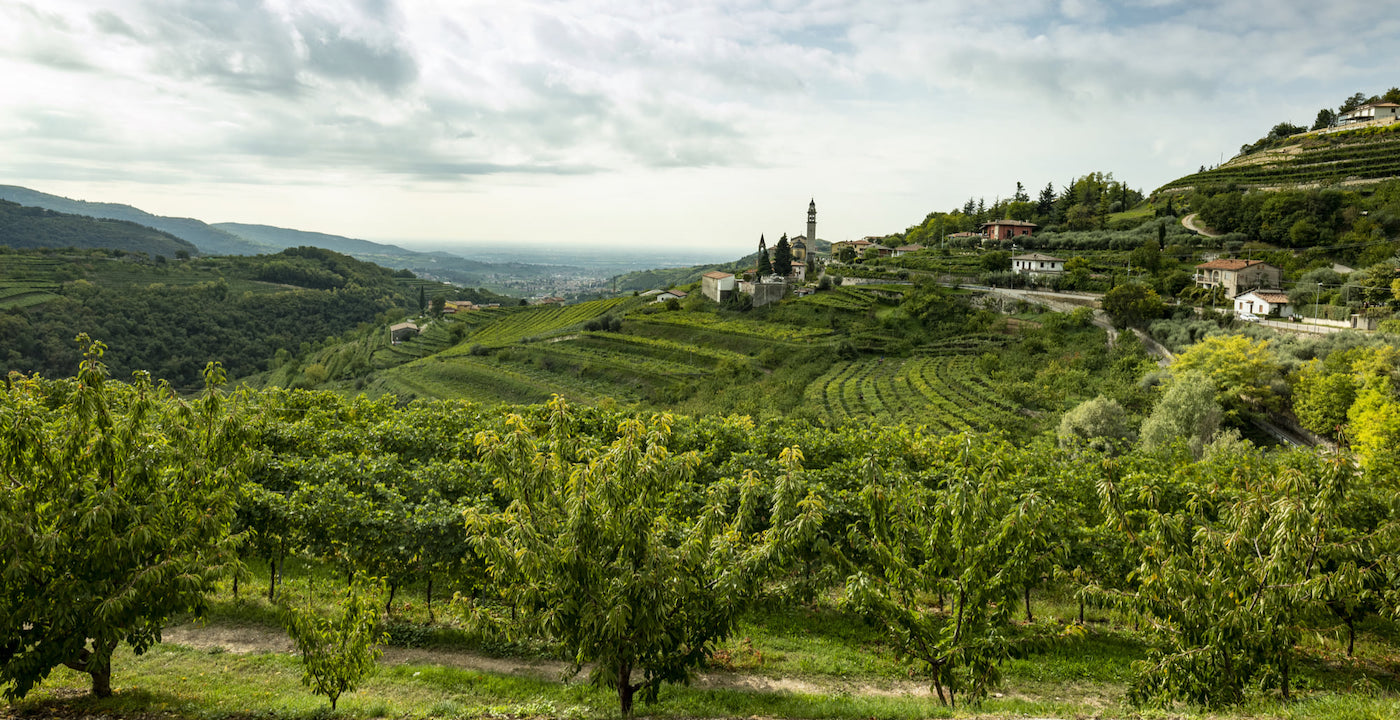
Valpolicella’s vineyards lie in the hills north of Verona, stretching from the western shores of Lake Garda to the Lessini Mountains in the east. The soils vary by subzone: limestone and clay dominate in the Classico zone; alluvial and marlare common in Valpantena and the eastern areas. Elevations range from 150 to 500 metres, with some of the best sites on south-facing slopes. The climate is continental with Mediterranean influences, with warm summers, cool nights, and good ventilation—ideal for both grape growing and the drying process. Harvest typically occurs in late September or early October, after which selected grapes are dried indoors for 90 to 120 days. This unique combination of climate, soil, and winemaking tradition shapes Amarone’s unmistakable profile.
Amarone is known for its powerful, velvety style with notes of black cherry, dried plum, fig, dark chocolate, and baking spice. The appassimento method adds glycerol and phenolic depth, creating a wine that is plush yet structured, with high alcohol and tannin. The best examples strike a balance between richness, freshness, and complex bitterness on the finish.
While traditionally oak-aged in large Slavonian casks, many modern producers use barrique or tonneaux, lending Amarone a darker, more polished profile. Riserva bottlings show greater density and tertiary character, leather, dried herbs, and forest floor, after extended ageing. Some Amarone wines exhibit surprising elegance and drinkability, while others aim for monumental power. Ageing potential can exceed 20 years for top producers and vintages.
Amarone della Valpolicella DOCG must be made from grapes dried for at least 90 days post-harvest, with a weight loss of around 30–40%. Fermentation must proceed to dryness (residual sugar under 12 g/L), and wines must be aged for a minimum of two years, or four years for Riserva. The minimum alcohol content is 14%. Permitted grapes include Corvina and/or Corvinone (45–95%), Rondinella (5–30%), and other local varieties up to 15%. Chaptalisation and concentration are forbidden. All grapes must be grown within the designated area, and wines must be vinified and bottled within the province of Verona. Oak ageing is not mandated, but most producers use either traditional casks or modern barrels.
The Amarone della Valpolicella DOCG covers red wines made from partially dried grapes, produced within a defined area of the province of Verona. The DOCG includes subzones: Classico (the original heartland), Valpantena, and the extended eastern and western areas. Amarone must be aged for a minimum of two years, or four years for Riservabottlings.
Wines must contain 45–95% Corvina and/or Corvinone, with Rondinella accounting for up to 30%. A small percentage of other native varieties, like Molinara, Oseleta, Croatina, or Negrara, is allowed. Amarone is always dry, with a minimum alcohol content of 14%, though many reach 15–16%. Sweet versions from the same grapes are labelled Recioto della Valpolicella DOCG and follow different rules.
The dominant grape in Amarone is Corvina, valued for its thick skins, high acidity, and aromatic range, from sour cherry to dried rose and bitter herbs. Corvinone, often mistaken for Corvina but genetically distinct, is increasingly favoured for its tannic grip and colour. Rondinella provides colour stability and drought resistance but is less flavourful on its own.
Other indigenous varieties include Molinara, historically used but now declining due to its pale colour and acidity, and Oseleta, a rediscovered grape that adds tannin and colour in small percentages. The blend must be crafted carefully to ensure balance, especially after the appassimento process, which concentrates sugars and extracts. The drying process requires grapes with loose clusters and good ventilation, favouring Corvina and Corvinone.
Valpolicella’s vineyards lie in the hills north of Verona, stretching from the western shores of Lake Garda to the Lessini Mountains in the east. The soils vary by subzone: limestone and clay dominate in the Classico zone; alluvial and marlare common in Valpantena and the eastern areas. Elevations range from 150 to 500 metres, with some of the best sites on south-facing slopes.
The climate is continental with Mediterranean influences, with warm summers, cool nights, and good ventilation, ideal for both grape growing and the drying process. Harvest typically occurs in late September or early October, after which selected grapes are dried indoors for 90 to 120 days. This unique combination of climate, soil, and winemaking tradition shapes Amarone’s unmistakable profile.
Amarone della Valpolicella DOCG must be made from grapes dried for at least 90 days post-harvest, with a weight loss of around 30–40%. Fermentation must proceed to dryness (residual sugar under 12 g/L), and wines must be aged for a minimum of two years, or four years for Riserva. The minimum alcohol content is 14%.
Permitted grapes include Corvina and/or Corvinone (45–95%), Rondinella (5–30%), and other local varieties up to 15%. Chaptalisation and concentration are forbidden. All grapes must be grown within the designated area, and wines must be vinified and bottled within the province of Verona. Oak ageing is not mandated, but most producers use either traditional casks or modern barrels.
The Amarone category has seen a stylistic split between traditionalists, who favour savoury complexity and long ageing in large casks, and modernists, who prefer fruit-driven, oak-polished styles with broader appeal. Climate change has led to discussions about harvest dates, appassimento duration, and the role of higher-altitude vineyards in preserving acidity.
Meanwhile, some producers are limiting residual sugar and alcohol, focusing on drier, fresher Amarone with more tension and elegance. There's also growing interest in single-vineyard Amarone and reviving forgotten grapes like Oseleta. Sustainability and precision viticulture are taking root, especially as producers respond to changing market preferences and the environmental cost of long drying periods and intensive production.
Giuseppe Quintarelli remains the spiritual father of traditional Amarone, producing age-worthy, complex wines aged for many years in large Slavonian oak. Dal Forno Romano, by contrast, represents the modernist school, crafting dense, barrique-aged Amarone with immense concentration and longevity. Both are benchmarks in their own right. Tommasi, Masi, and Allegrini are among the most internationally recognised producers, each with a broad range of Amarone styles. Speri, Bertani, and Zenato offer classic examples rooted in the Classico zone, while Tedeschi and Tenuta Sant'Antonio explore site expression and innovation. Together, these names shape Amarone’s identity on both the traditional and modern fronts.
For traditional Amarone with ageing potential, try Quintarelli Amarone della Valpolicella Classico or Speri Sant’Urbano. For a richer, more modern expression, Dal Forno Romano Amarone or Allegrini Amarone offer density, polish, and power. Masi Costasera Riserva is a consistent, widely available option. Explore single-vineyard bottlings like Zenato Amarone Riserva Sergio Zenato or Tedeschi Capitel Monte Olmi for site-specific character. For those seeking drier, food-friendly examples, look to Tommasi Ca’ Florian Riserva or Corte Sant’Alda’s Mithas, which embrace structure over sweetness.