Region
Covering the toe of Italy, Calabria has long been considered the country's undeveloped wine region but in recent years a new generation has given rise to vibrant scene of quality focussed independent winemakers.
2
Tenuta del Conte · 2019

19
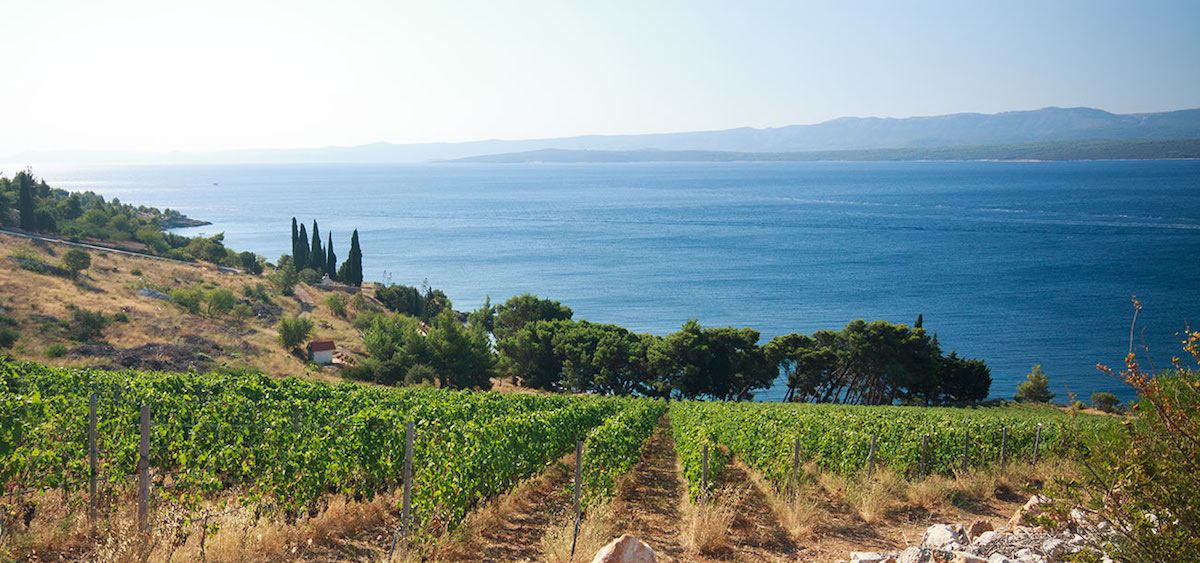
Located at the southernmost tip of the Italian peninsula, Calabria forms the toe of Italy’s iconic boot, bordered by the Tyrrhenian Sea to the west and the Ionian Sea to the east. Though often overlooked in favor of its more famous neighbors, Calabria is one of Italy’s most ancient and culturally distinct regions. It was once a vital part of Magna Graecia, the network of Greek colonies that brought viticulture, philosophy, and architecture to the south. The region is rugged and mountainous, with dramatic coastlines, remote hilltop villages, and ancient olive groves. Its inland is dominated by the Sila and Aspromonte ranges, offering cool elevations and untouched natural beauty.
Culturally, Calabria is a land of contrasts—fiercely traditional yet slowly evolving. It is known for its spicy cuisine, berberè-laced salumi, and sweet red onions from Tropea, as well as its handmade pasta, wild mushrooms, and citrus. Calabria’s Byzantine churches, Aragonese castles, and Albanian enclaves reflect centuries of conquest and migration. Economically, it remains one of Italy’s most rural and least industrialized regions, a fact that has both preserved its agricultural roots and hindered the development of its wine industry. Today, however, a new generation of winemakers is breathing life into this ancient land, rediscovering its native grapes and showing that Calabria has far more to offer than its rustic past suggests.
Calabria’s winemaking history is among the oldest in Italy, tracing back over 2,500 years to its days as part of Magna Graecia, the Greek colonies that spread across southern Italy. The Greeks brought vine cultivation to the region, and viticulture quickly became central to its agricultural economy. Wines from Calabria were once so esteemed that ancient writers described them as being served at the Olympic Games. The area around Crotone, in particular, was known for its “Krimisa” wine, made from local grapes and traded widely throughout the Mediterranean. With the Roman conquest, winemaking continued to flourish, supported by the region’s mountainous terrain and favorable coastal climate.
Despite this rich legacy, Calabria’s modern wine history has been marked by underdevelopment and marginalization. For much of the 20th century, Calabrian wine was produced in bulk, often for blending or export to more industrialized regions of Italy. Limited investment, economic hardship, and emigration all contributed to a decline in both vineyard area and reputation. However, the late 20th and early 21st centuries have brought a slow but steady revival. A handful of dedicated producers began to restore old vineyards, focus on native varieties like Gaglioppo and Greco Bianco, and embrace more precise winemaking techniques. Today, Calabria remains one of Italy’s least commercially prominent wine regions, but it is also one of the most promising, with a deep cultural reservoir and increasingly sophisticated production.
Calabria’s terroir is rugged, dramatic, and highly varied. The region is shaped by the Apennine mountain spine that runs through its center, flanked by both the Ionian and Tyrrhenian Seas, creating a range of microclimates and exposures. Coastal zones benefit from Mediterranean influences, with warm days, cooling sea breezes, and long growing seasons. Inland and high-elevation zones, particularly in the Sila and Pollino ranges, experience cooler nights and more rainfall, conditions that help preserve acidity and aromatic complexity in grapes.
The soils across Calabria are just as diverse. In Cirò, vineyards are planted on calcareous clay and sandy marl, often on gently sloping hillsides that face the Ionian Sea. These soils retain heat and help Gaglioppo reach full ripeness, while poor fertility encourages concentration and low yields. In contrast, in areas like Savuto and Pollino, the soils are more mixed—granitic, alluvial, and rich in minerals—supporting vines that produce wines with greater finesse and freshness. The southern DOC of Greco di Bianco benefits from steep, sun-soaked slopes and thin soils that are ideal for drying grapes, contributing to the complex flavors of the passito wines. Throughout Calabria, elevation, exposure, and proximity to the sea are critical terroir factors, giving winemakers a wide palette to express the region’s ancient grape varieties.
Calabria is a stronghold of native grape varieties, many of which are virtually unknown outside southern Italy. Gaglioppo is by far the most important red grape and the signature variety of Cirò. It is late-ripening, drought-resistant, and capable of producing deeply colored wines with firm tannins and distinctive spice and dried fruit character. Gaglioppo is often compared to Nebbiolo or Sangiovese in its ability to combine structure with aromatic nuance, especially when grown at higher elevations or on well-drained soils. Other red grapes include Greco Nero, Nerello Cappuccio, Nocera, and Aglianico, all of which appear in blends in appellations like Savuto and Lamezia.
Among whites, Greco Bianco stands out as Calabria’s most noble variety, especially in the production of Greco di Bianco, where it is sun-dried to concentrate sugars and phenolics. Dry versions also exist and can be floral, textured, and mineral. Malvasia Bianca, Mantonico Bianco, and Guardavalle are other local white varieties found in blends or small-lot wines, often yielding surprisingly complex results when carefully vinified. International varieties such as Chardonnay, Cabernet Sauvignon, and Merlot have also been planted in recent decades, but they tend to play a minor role, often appearing in IGT wines rather than in the traditional DOCs. Overall, Calabria’s strength lies in its indigenous varieties, which are increasingly being used to make varietal wines of identity and character.
Calabria has no DOCGs and only a handful of DOCs, the most important and historic of which is Cirò DOC, located along the Ionian coast in the province of Crotone. Established in 1969, Cirò remains the region’s flagship appellation, known primarily for red wines made from Gaglioppo, a native grape that produces structured, rustic wines with aromas of red fruit, spice, and dried herbs. Cirò Rosso, Rosato, and Bianco are all permitted, but the red is the most acclaimed and widely produced style. Cirò Classico, from vineyards near the town itself, is generally considered the highest-quality zone.
Other DOCs include Savuto DOC, located in the hills above the Tyrrhenian coast in northern Calabria, where Gaglioppo is again dominant, often blended with Greco Nero, Aglianico, and other local grapes. The Pollino DOC, near the border with Basilicata, allows similar blends and benefits from higher elevations and cooler temperatures. In the south, Bivongi DOC and Greco di Bianco DOC stand out. Greco di Bianco, in particular, is unique in Calabria as a DOC dedicated to sweet passito wines made from dried Greco Bianco grapes. These wines, produced in the hills above the Ionian Sea, can be intensely aromatic and long-lived. The Scavigna DOC and Lamezia DOC, both on the Tyrrhenian side of the region, allow a wide range of red and white blends, with improving quality but limited international visibility. Much of Calabria’s best wine still appears under IGT Calabria, which offers producers more freedom to experiment with varietals, techniques, and vineyard expression.
Calabria is undergoing a slow renaissance, led by a small but passionate group of producers committed to restoring the region’s reputation and showcasing its native grapes. One of the most prominent trends is the return to historical vineyards and traditional varieties, particularly Gaglioppo and Greco Bianco. Producers are seeking out old vines, often planted in mixed or abandoned parcels, and rehabilitating them with a focus on sustainable and organic viticulture. Lower yields, manual harvesting, and minimal intervention in the cellar are all part of the movement toward authenticity and quality.
At the same time, there is growing interest in single-vineyard expressions, particularly in Cirò, where a new generation of winemakers is working to distinguish between coastal and inland sites, altitudes, and soil types. These wines are helping redefine Gaglioppo not just as a rustic grape, but as a vehicle for terroir expression. Another trend is the slow emergence of natural wine in Calabria, with a handful of small estates experimenting with amphorae, native yeasts, and low sulfur. Though the region remains largely under the radar internationally, the uniqueness of its grape varieties and the wild beauty of its landscape are beginning to attract attention from sommeliers, importers, and adventurous wine lovers. Calabria may not yet have the infrastructure or recognition of Italy’s more famous regions, but its potential is undeniable, and its future increasingly compelling.