Sub-region
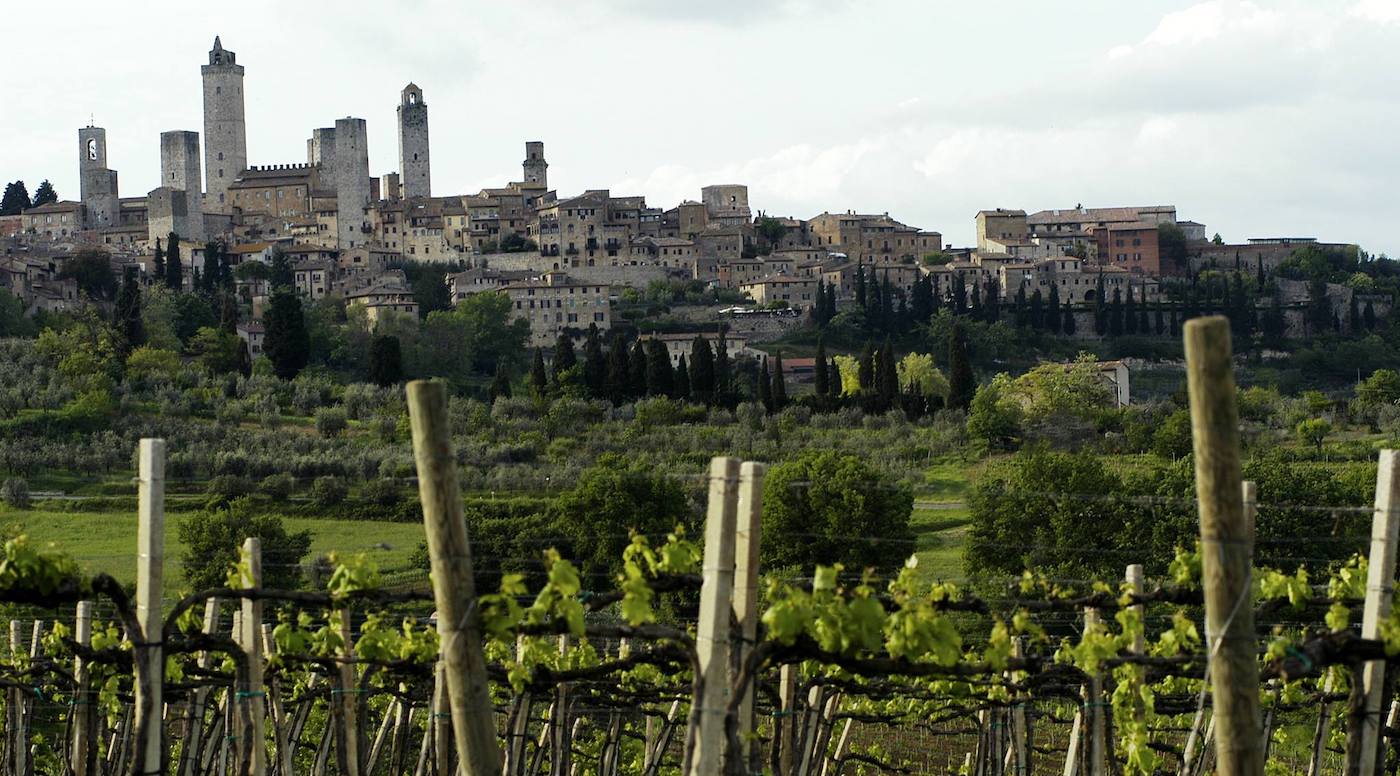
Vernaccia di San Gimignano is one of Tuscany's key white wine growing areas. The wines are dry, structured, and food friendly.
8
21
Records suggest that Vernaccia was cultivated in San Gimignano as early as the 13th century, with historical documents mentioning its popularity among nobility and even the papacy. By the Renaissance, Vernaccia di San Gimignano had earned a reputation throughout Italy and beyond, admired for its crisp acidity, and subtle complexity. Poet Dante Alighieri even referenced the wine in his Divine Comedy. In the 20th century, Vernaccia di San Gimignano became the first Italian wine to receive DOC status (Denominazione di Origine Controllata) in 1966, further elevating its status. This achievement marked the beginning of Italy's modern appellation system, underscoring the importance of preserving the wine’s regional authenticity and quality.
Today, Vernaccia di San Gimignano continues to be celebrated, with DOCG status (Denominazione di Origine Controllata e Garantita) awarded in 1993, recognizing it as a top-quality Italian wine. Local producers are increasingly adopting organic and sustainable practices, with around 50% now farming organically.
Vernaccia di San Gimignano wines are typically quite neutral. Given the majority of them are made in stainless steel, the Vernaccia grape's natural primary aromas and flavours are easily detectable. With the first year the wines tend towards green apple, lemon and almond, with some showing more floral aromas. As the wines evolve and approach two years of age, tertiary aromas become quickly apparent. Bruised apple and brioche are typical, with almond flavours more distinctive.