Appellation
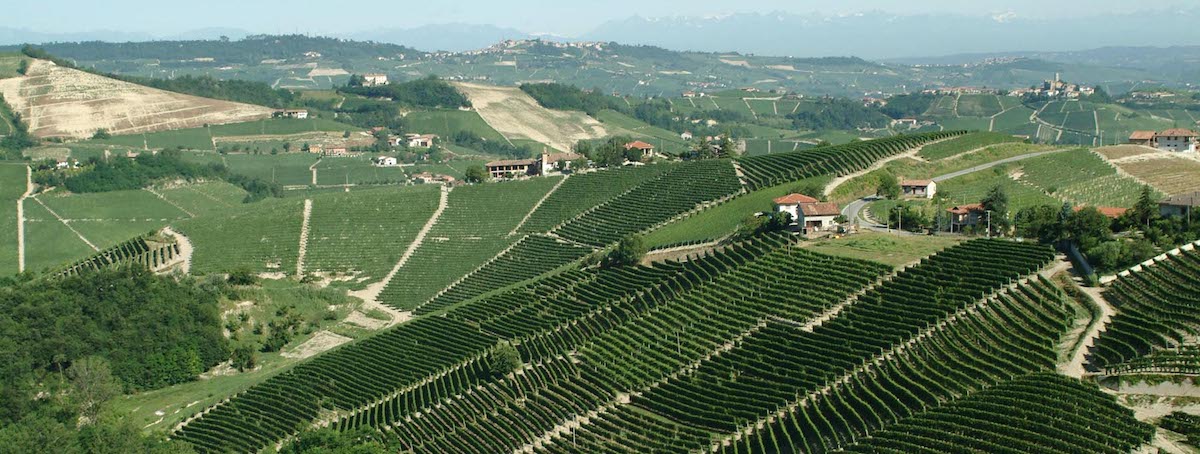
Barolo DOCG is one of Italy’s most revered appellations, producing structured, ageworthy red wines from the Nebbiolo grape in the Langhe hills of Piedmont. Often described as the most powerful and long lived expression of Nebbiolo, Barolo combines aromatic complexity with firm tannic structure and notable longevity. Its identity rests on a mosaic of hillside vineyards, historic communes, and a culture of patient winemaking that prizes evolution in bottle.
8
Azienda Massolino · 2006

118
Viticulture in the Barolo zone dates back centuries, but the modern style of Barolo began to take shape in the nineteenth century. Prior to this period, Nebbiolo was often made in a sweeter or semi sweet style due to incomplete fermentation during cold winters. It was through technical improvements in cellar hygiene and fermentation control that fully dry Barolo became possible. Figures such as Camillo Benso, Count of Cavour, and French oenologist Louis Oudart were instrumental in shaping this transformation, helping establish Barolo as a structured, cellar worthy wine.
The twentieth century saw further evolution. After periods of economic hardship and war, the latter half of the century brought renewed attention to vineyard management and site expression. The so called modernist movement of the 1980s and 1990s introduced shorter macerations and new oak, creating stylistic tension with more traditional producers who favoured long macerations and large casks. Over time, a middle ground has emerged, with most producers now seeking clarity of terroir while maintaining Barolo’s structural integrity. In 1980, Barolo was granted DOCG status, confirming its place at the top tier of Italian wine law.
Barolo’s vineyards lie between 200 and 500 metres above sea level on the rolling hills of the Langhe. Soils are broadly divided between Tortonian marl, which tends to produce more aromatic and supple wines, and older Serravallian sandstone, which often yields firmer, more structured expressions. La Morra and Barolo are largely associated with Tortonian soils, while Serralunga d’Alba and Monforte d’Alba are linked to more compact, sandstone rich formations. The climate is continental, with warm summers, cold winters, and autumn fog that gives Nebbiolo its name. Significant diurnal shifts during harvest contribute to aromatic precision and preservation of acidity.
Barolo is made exclusively from Nebbiolo. The grape is thin skinned yet high in tannin and acidity, producing wines that are pale in colour but powerful in structure. Aromatically, Nebbiolo expresses rose, tar, red cherry, and dried herbs in youth, developing notes of truffle, leather, tobacco, and forest floor with age. Its naturally late ripening cycle requires well exposed hillside sites to achieve full phenolic maturity, making vineyard position crucial in the Barolo zone.
In recent years, there has been a renewed focus on single vineyard bottlings and the expression of individual MGAs. Many producers have moved toward more balanced extraction, moderate oak influence, and earlier harvesting in response to warmer vintages. Organic and sustainable viticulture is increasingly common, particularly among smaller estates. There is also growing international demand for Barolo, which has driven investment in vineyard land and heightened attention to cru distinctions. At the same time, a younger generation of winemakers is embracing transparency in both farming and cellar practice, seeking wines that reflect site rather than technique.